GLP-1 drugs linked to healthier hearts in people with heart failure
A Mayo Clinic study tied semaglutide and tirzepatide to better heart structure and function in people with obesity and heart failure. What Reuters reported.
 Our summary of a story from Reuters, published . Summarized .Read the original at Reuters
Key points
- After a year, 146 heart failure patients taking semaglutide or tirzepatide showed greater heart improvements than 237 matched patients who were not.
- Most of the improvements held after accounting for weight loss.
- In a separate 52-week trial of 81 adults, semaglutide was associated with remission of heart failure in more than half of treated patients.
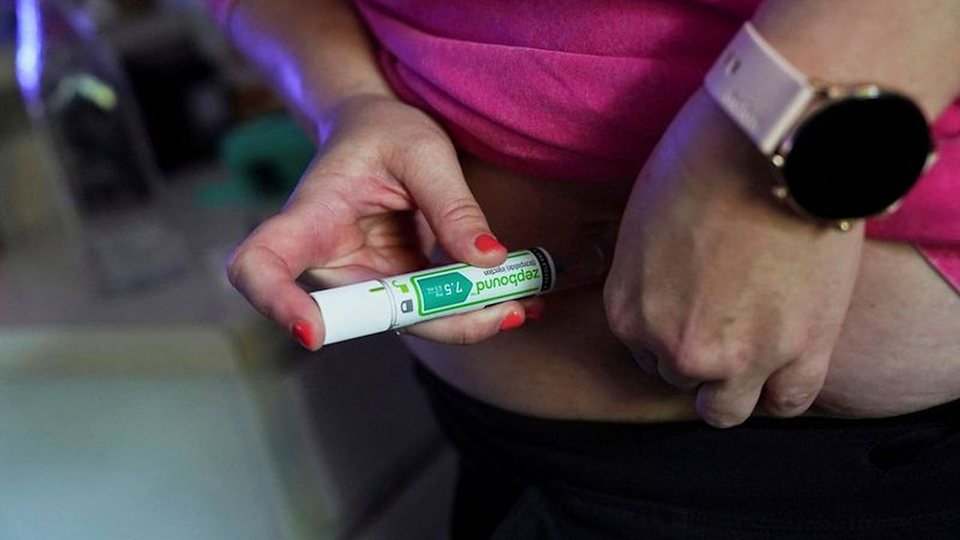
- Lilly data on more than 171,000 Zepbound users found 34% fewer hospital and emergency visits at 12 to 18 months.
The heart failure study
Mayo Clinic researchers presented the study at the ObesityWeek 2026 meeting. Everyone in it had obesity and heart failure with reduced ejection fraction, meaning the left ventricle pumps blood out only weakly. The 146 patients on GLP-1 therapy were taking semaglutide (sold as Wegovy and Ozempic) or tirzepatide (Zepbound and Mounjaro).
After one year they showed significantly greater improvements in the size, shape, structure and function of the left ventricle than a closely matched group of 237 patients who were not taking the drugs. They also lost more weight. Most of the heart improvements stayed significant after accounting for weight changes, which the researchers say suggests the drugs themselves play a part. Exploratory two-year analyses showed continued improvement.
Semaglutide and Tirzepatide at a glance
What each one is, and where we cover it: prices, graded research, registered trials and discussion.
Semaglutide
GLP-1 receptor agonistA long-acting analog of the gut hormone GLP-1 that increases insulin release after meals, slows stomach emptying and reduces appetite. Large trials showed substantial weight loss and cardiovascular benefit.
Tirzepatide
Dual GIP / GLP-1 receptor agonistActivates both the GIP and GLP-1 incretin receptors, lowering blood sugar and appetite. In trials it produced more weight loss on average than GLP-1-only drugs.
A second trial, in a different kind of heart failure
A week earlier, another Mayo Clinic team reported on 81 adults with obesity and heart failure with preserved ejection fraction, where the left ventricle is not especially weak. They received semaglutide or placebo for 52 weeks. Semaglutide improved pressures inside the heart at rest and during exercise, and it was associated with remission of heart failure in more than half of treated patients. The results were published in Nature Medicine.
Semaglutide and Tirzepatide research behind the story
Papers from our library, each read and summarized, with the evidence grade we give the peptide.
Human RCTN Engl J Med 2025Semaglutide
Tirzepatide as Compared with Semaglutide for the Treatment of Obesity
SURMOUNT-5 in 751 adults with obesity: at 72 weeks weight fell 20.2% with tirzepatide versus 13.7% with semaglutide, so semaglutide produced less weight loss; GI events were most common in both arms.
Human RCTJAMA Intern Med 2025Semaglutide
Oral Semaglutide in an East Asian Population With Overweight or Obesity, With or Without Type 2 Diabetes: The OASIS 2 Randomized Clinical Trial
OASIS 2 in 201 East Asian adults: oral semaglutide 50 mg cut weight 14.3% vs 1.3% with placebo over 68 weeks; GI events in 63.4% vs 34.8%, discontinuation for adverse events 4.5%.
Human RCTN Engl J Med 2025Tirzepatide
Tirzepatide for Heart Failure with Preserved Ejection Fraction and Obesity
In 731 patients with HFpEF and obesity (SUMMIT), tirzepatide lowered cardiovascular death or worsening heart failure (9.9% vs 15.3%; HR 0.62) and improved quality-of-life scores; GI-related discontinuations 6.3% vs 1.4%.
Hospital visits and costs
Eli Lilly presented data comparing more than 171,000 adults treated with Zepbound for at least a year with the same number of similar untreated people. None had diabetes. Healthcare costs stayed stable in the Zepbound group and rose steadily in the comparison group. Zepbound users had 7% fewer hospitalizations and emergency visits at 3 to 6 months, 18% fewer up to 12 months and 34% fewer at 12 to 18 months.
Reuters notes that Lilly’s researchers did not report what patients paid for the drug or whether the savings fully offset its cost. Zepbound can cost more than $1,000 a month without insurance.
Semaglutide from our partner vendors
The lowest-priced vendors we have an affiliate link with, cheapest per mg first. These are research-use vials sold by peptide vendors, not the prescription or trial medicine in the story.
Peptixa Labs
Metascore 76
Semaglutide Research Peptide 50mg, Pack: 10 Pack, 10 × 50 mg = 500 mg
USD 346.10USD 0.692/mg
Visit shop
Coffee and Peppers
Metascore 85, 38 lab tests
CP-1 S 30MG KIT (10 Vials), 10 × 30 mg = 300 mg
USD 297.49USD 0.992/mg
Visit shop
These are affiliate links: we may earn a commission at no extra cost to you. Other vendors may be cheaper: Compare all 70 Semaglutide vendors.
Work, falls and independence
The same Reuters roundup covers two more studies from the meeting. In a panel of about 15,000 US adults, starting a GLP-1 drug was followed by more people in work and better productivity. In a two-year study of more than 122,000 people aged 65 and older, GLP-1 use was associated with a 13% lower risk of falls and a 37% lower risk of newly needing a wheelchair, compared with the diabetes drug metformin. That study cannot prove the drugs prevented those outcomes.
Go deeper on PeptideCompare
Comparisons and guides that follow on from this story.
Questions people ask
Do GLP-1 drugs help heart failure?
In a Mayo Clinic study, 146 patients with obesity and heart failure who took semaglutide or tirzepatide showed greater improvements in the left ventricle after one year than 237 matched patients who were not taking the drugs.
Is the heart benefit only from weight loss?
Not entirely, the researchers say. Most of the heart improvements stayed significant after accounting for weight changes, which suggests the drugs themselves play a part.
Does Zepbound reduce hospital visits?
Lilly data on more than 171,000 Zepbound users found 34% fewer hospitalizations and emergency visits at 12 to 18 months than in similar untreated people. Lilly’s researchers did not report whether the savings fully offset the drug’s cost.
More peptide news
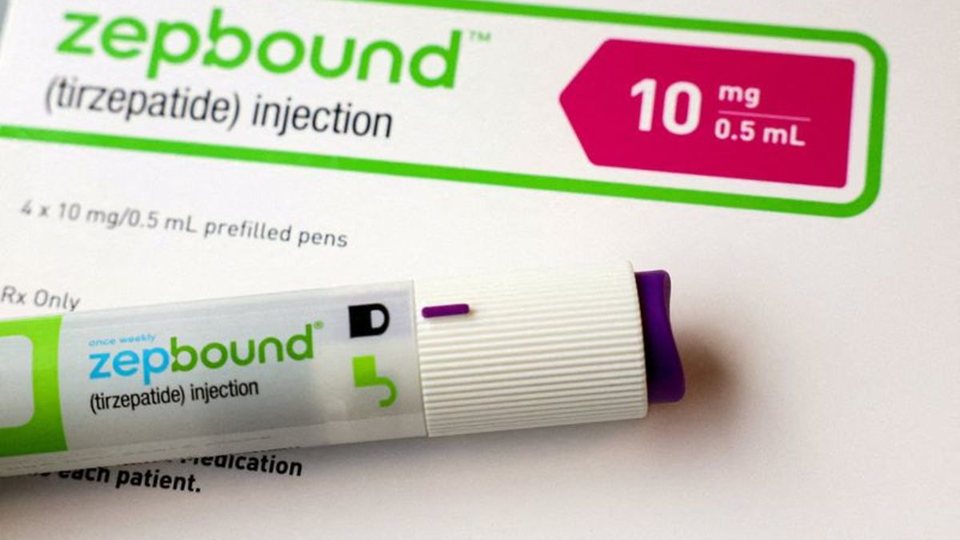 Reuters, Nov 6, 2026Zepbound and Foundayo come to Hims & Hers: the self-pay prices
 Reuters, Oct 28, 2026Retatrutide beat Ozempic head to head: 20.9% weight loss against 9.4%
 Healio, Nov 17, 2026Lower-dose CagriSema still cut body weight by about 21%
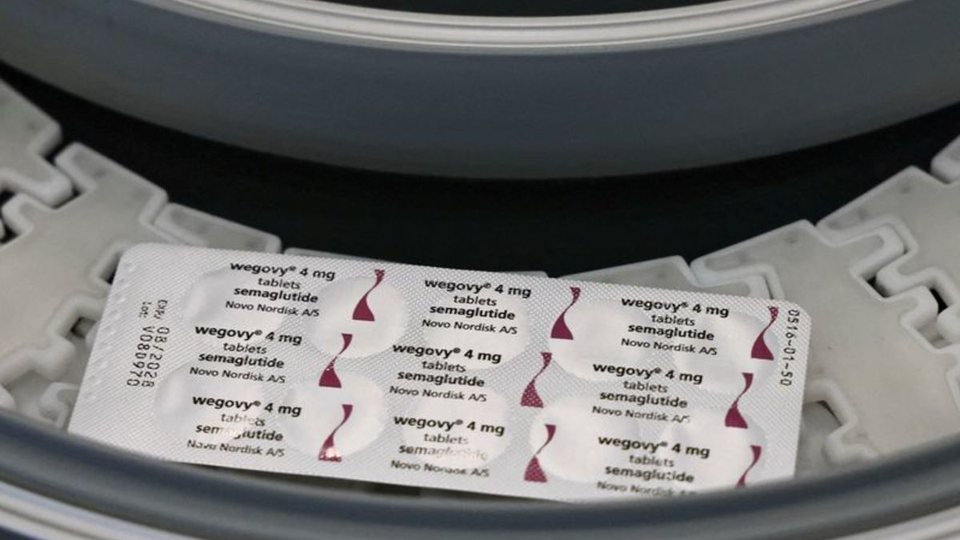 Reuters, Nov 14, 2026Wegovy pill: 6.2% weight loss in three months in real-world data
This page is PeptideCompare’s own summary of the Reuters story “GLP-1 drugs tied to heart improvements in patients with obesity and heart failure”. The headline quoted here, the picture and the logo belong to Reuters. Prices, vendor scores and research grades come from our own data and change over time. Nothing here is medical advice. Spotted a mistake? Tell us.