Peptide news
What the big outlets are reporting about peptides, summarized, with current prices for every peptide a story names.
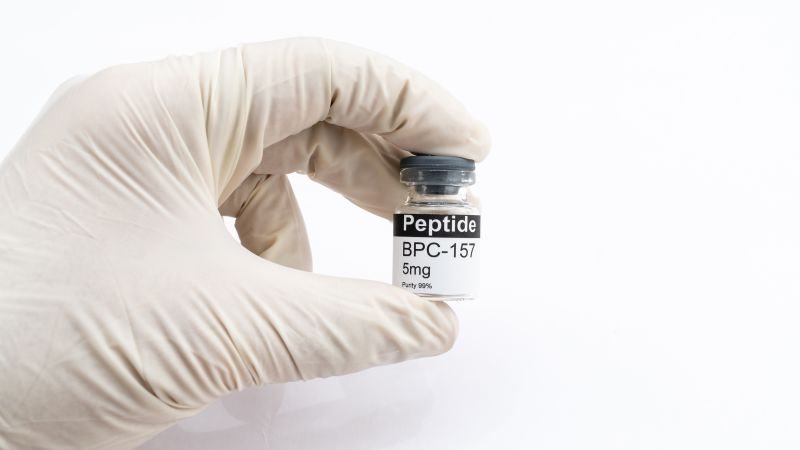

Peptides could soon be easier to get in the United States. Here’s what to know
HHS posted a draft interim policy that lets licensed compounding pharmacies make six injectable peptides for patients who have a prescription: BPC-157 (reviewed for ulcerative colitis), KPV (wound healing and inflammatory conditions), TB-500 (wound healing), MOTS-c (obesity and osteoporosis), Semax (certain neurological disorders) and Epitalon (insomnia).
The six aren’t FDA-approved, and they aren’t on the official list of ingredients compounders may use. Instead, HHS says it won’t take enforcement action against state-licensed pharmacies, federal facilities or licensed physicians that compound them, as long as there is a patient-specific prescription, traceable ingredients, quality testing and safety reporting. HHS describes that as a more controlled alternative to buying research-use-only peptides online.
FDA’s Pharmacy Compounding Advisory Committee narrowly backed the six in July. Members who voted yes said a regulated pharmacy is safer than the gray market; members who voted no said the evidence on how well these peptides work is still thin. The draft opened a 14-day comment period, and a separate final rule will decide whether each peptide joins the compounding list.
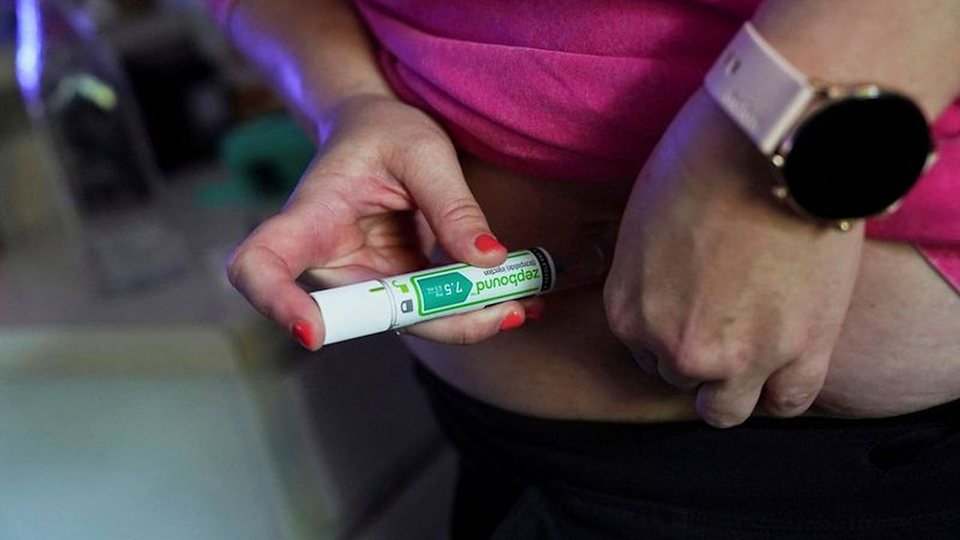

GLP-1 drugs tied to heart improvements in patients with obesity and heart failure
A Mayo Clinic study presented at ObesityWeek linked GLP-1 drugs to healthier hearts in people with obesity and heart failure. After a year, the 146 patients taking semaglutide or tirzepatide showed significantly greater improvements in the size, shape and pumping function of the left ventricle than 237 similar patients who weren’t on the drugs. Most of the improvements held after accounting for weight loss, which suggests the drugs themselves play a part.
The same Reuters roundup covers two more studies. In a separate Mayo trial of 81 adults, semaglutide was associated with remission of heart failure in more than half of treated patients. And Lilly data on more than 171,000 Zepbound users found 34% fewer hospital and emergency visits at 12 to 18 months, while their healthcare costs stayed flat as costs rose in an untreated group.
Prices for the peptides in this story
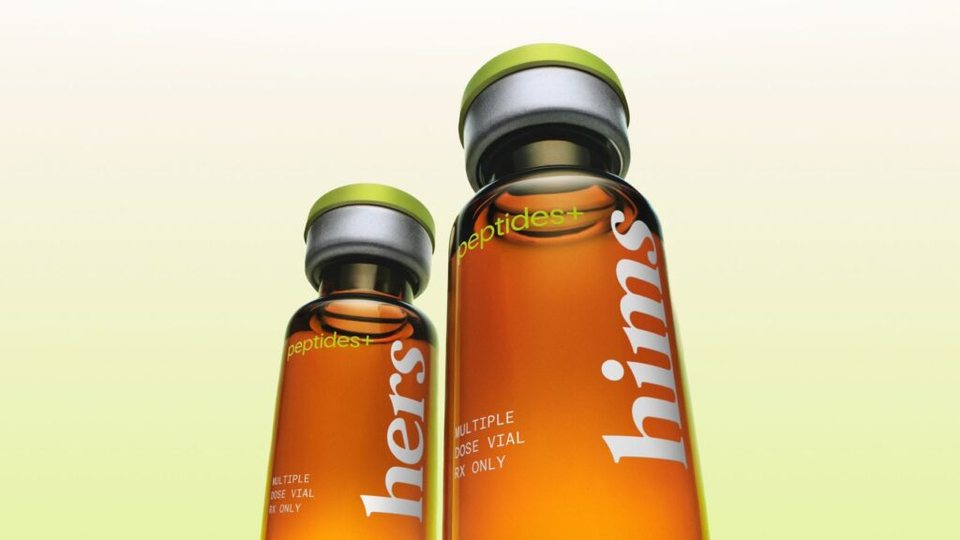

Peptide market poised to explode with new Hims and Noom launches
STAT reports that peptides are about to go mainstream now that Hims & Hers and Noom, two of the biggest telehealth companies, have both announced peptide prescriptions for eligible patients. Smaller telehealth firms already offered them, but Hims has a market value of more than $3.5 billion and Noom is valued at $3.7 billion, which STAT calls a pivotal moment for peptides in the US.
The story notes that peptides started with bodybuilders and have spread to people who want to build muscle, feel more energetic or recover from injuries, and that many compounded peptides marketed to consumers are still experimental, without FDA approval or randomized trials in humans. Only the opening of the article is free to read.
Prices for the peptides in this story

Clinical collaboration aims to evaluate peptides for sports, regenerative medicine
The Andrews Research & Education Foundation and Vector Science and Therapeutics are teaming up to run clinical studies of peptides in sports and regenerative medicine. James R. Andrews, MD, the foundation’s president, told Healio that peptides haven’t yet been tested in well-controlled, double-blinded studies, and that the collaboration exists to fill that gap.
The first studies will look at whether pharma-grade peptides speed soft-tissue repair after activity or injury, support muscle regeneration in aging athletes and ease degenerative osteoarthritis. The partners will also build education programs for physicians. Andrews said peptides should be prescribed by doctors rather than bought from internet sources, and that the work will start with professional athletes before moving to other patients.
Prices for the peptides in this story
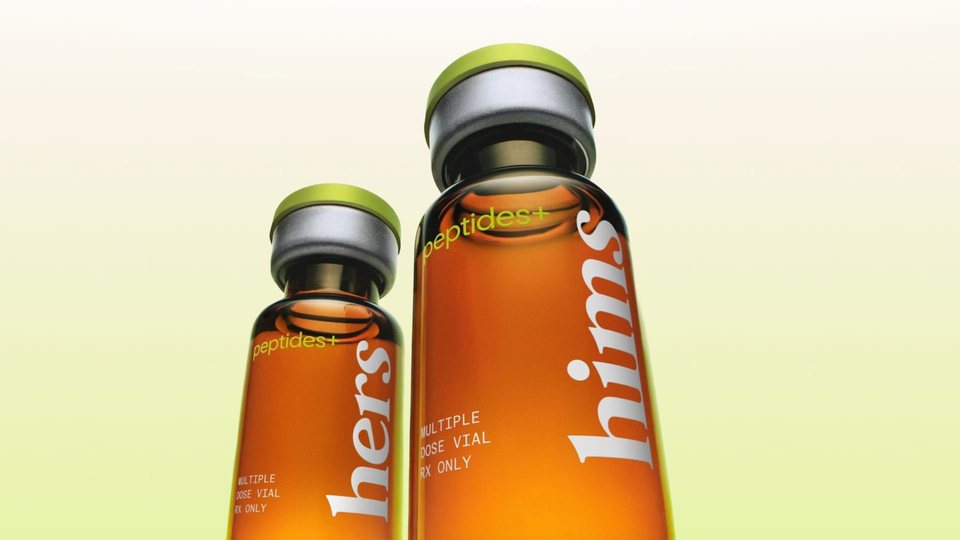

Hims & Hers launches new peptide treatments — while admitting there’s more to learn about efficacy
Hims & Hers opened its Peptides+ platform with five treatments compounded in the US: sermorelin, glutathione, NAD+, vitamin B-12 and L-carnitine. The launch follows the federal government easing the rules on compounding some peptides, and more than 10,000 people joined the early-access list within 15 days.
Members start with a health assessment from a licensed provider, and the company says it will check in on results and adjust doses. Its chief medical officer told CNBC there is less data on these compounds than doctors are used to, and that people with serious heart, liver or kidney disease won’t be candidates for now. Hims plans to add BPC-157 and TB-500 later. None of the compounded products is FDA-approved, and researchers quoted in the story say doses haven’t been established in large trials.
Prices for the peptides in this story
Lower-dose CagriSema reduces body weight vs. placebo
Lower weekly doses of CagriSema (cagrilintide plus semaglutide) still produced large weight loss in the REDEFINE 9 trial, presented at ObesityWeek and published in The Lancet Diabetes & Endocrinology. Among 309 adults with obesity and no diabetes, body weight fell 20.7% at 1.7 mg of each drug and 21% at 1 mg of each over 68 weeks, against 2% on placebo.
About 95% of people on either dose lost at least 5% of their weight, compared with a third on placebo. Side effects were mostly mild to moderate stomach upset, and few people stopped treatment because of them (2.9% and 4.9%, against 4.9% on placebo). The presenter told Healio the lower doses would give patients and prescribers more choice. CagriSema isn’t approved in the US yet; an FDA decision for obesity is expected by the end of 2026.
Prices for the peptides in this story
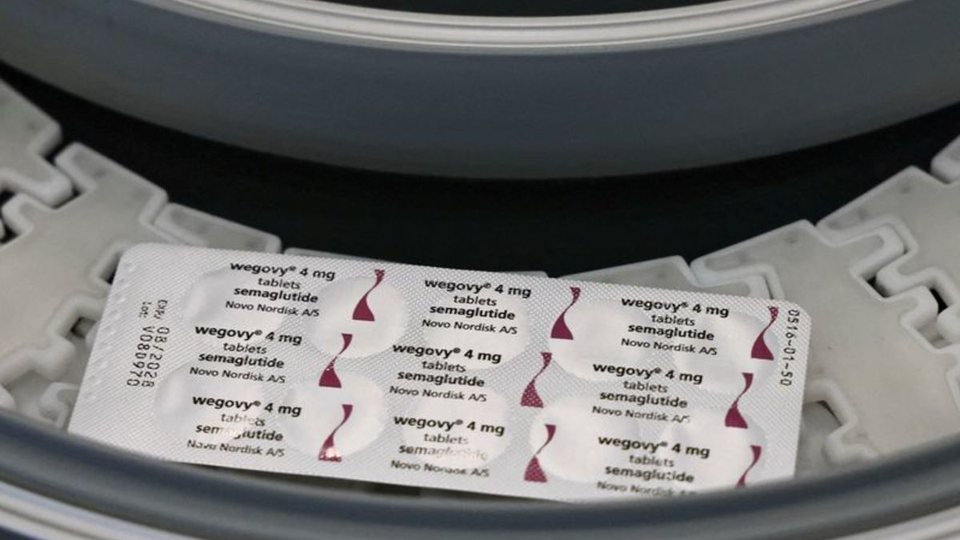
Novo’s Wegovy pill helps patients lose about 6% of weight in three months, real-world data show
People who stayed on Novo Nordisk’s daily Wegovy pill lost an average of 6.2% of their body weight in three months, according to real-world data prepared for ObesityWeek. That is close to the 5.5% seen at 12 weeks in Novo’s late-stage trial. The analysis covered 5,872 adults on the Ro telehealth platform who had never taken a weight-loss drug.
On average they lost 6.3 kg (13.9 pounds) from a starting weight of 103 kg. About three in five lost at least 5% of their weight, and roughly one in six lost at least 10%. The pill, which is oral semaglutide, launched in January. Pills now make up about a third of US obesity prescriptions, and Novo says it has more than 80% of new pill prescriptions.
Prices for the peptides in this story
Lilly says its obesity drugs helped patients lose weight in clinical trials
Eli Lilly shared early numbers from several obesity trials at ObesityWeek, ahead of the full results. In a phase 2 trial of EloraTZP, its combination of eloralintide and tirzepatide, adults with overweight or obesity and type 2 diabetes lost up to 23.3% of their weight on average at 48 weeks, and up to 60% no longer met the BMI criteria for obesity. A1C fell by up to 2.9%.
In the phase 3 SURMOUNT-ADOLESCENTS trials, Zepbound (tirzepatide) lowered BMI by an average of 21.4% at 72 weeks in 12-to-18-year-olds with obesity, and more than half no longer met the criteria for obesity. Participants also reported better weight-related quality of life, including physical comfort and body esteem.
Prices for the peptides in this story
Eli Lilly becomes first drugmaker to have a GLP-1 weight-loss pill approved in China
Eli Lilly became the first company to have a GLP-1 weight-loss pill approved in China. The pill, orforglipron (sold as Foundayo in the US), will compete there with Lilly’s own weekly injection and with injections from Novo Nordisk, Pfizer and local firm Innovent Biologics. Novo has also applied to sell its Wegovy pill in China.
Both companies expect pills to attract people who don’t want injections; pills already make up about a third of US obesity prescriptions. China’s health commission has said more than 65% of people in the country could be overweight or obese by 2030, and J.P. Morgan forecasts GLP-1 weight-management sales there of 30 billion yuan ($4.5 billion) a year within five to seven years. Lilly hasn’t said how it will price the pill or when it will be available.
Prices for the peptides in this story
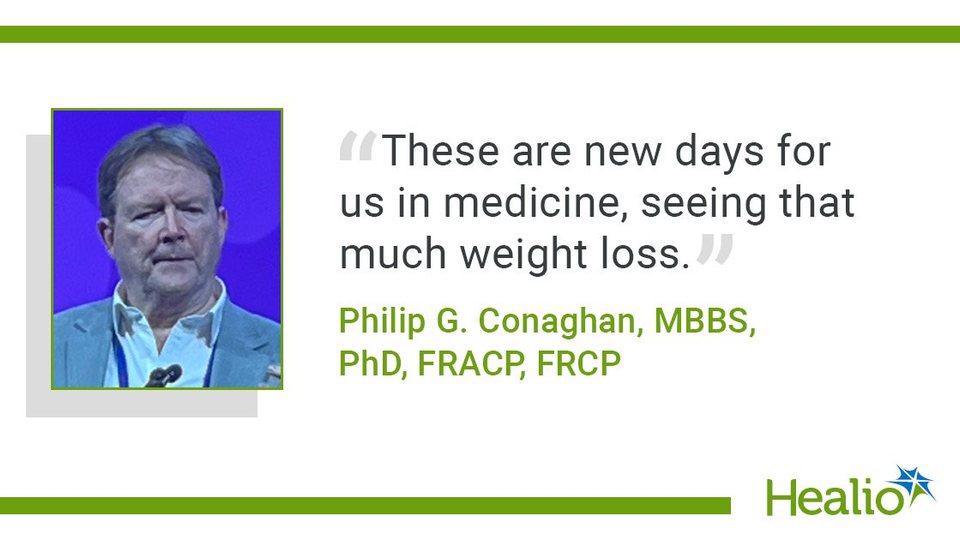
Speaker: Weight loss with retatrutide signals ‘new days’ for knee osteoarthritis care
Weekly retatrutide eased knee osteoarthritis pain as well as cutting weight in the phase 3 TRIUMPH-4 trial, presented at ACR Convergence. Among 445 adults with knee pain and excess weight, pain scores (WOMAC) fell by about 4.4 to 4.5 points over 68 weeks on retatrutide 9 mg or 12 mg, against 2.4 points on placebo. Body weight fell 26.4% and 28.7%, against 2.1% on placebo.
Presenter Philip Conaghan of the University of Leeds said the benefit showed from week 16 and kept growing, and that physical function improved in the same pattern. Adverse events were common in every group, including placebo; most were mild to moderate stomach problems during dose increases, and two people in the retatrutide groups died. No GLP-1 drug is FDA-approved for knee osteoarthritis pain yet.
Prices for the peptides in this story

New clinical trial shows daily GLP-1 pill significantly improves sleep apnea
Eli Lilly’s daily GLP-1 pill orforglipron, sold as Foundayo, eased obstructive sleep apnea in trial results published in JAMA. After 52 weeks, the severity of sleep apnea fell 43.8% in adults with overweight or obesity who didn’t use a PAP machine, and 27.5% in those who did. Both groups lost about 28 pounds on average.
A study co-author said the pill reduced breathing interruptions and drops in oxygen during sleep, and improved blood pressure and inflammation. Foundayo was approved for obesity in April. Lilly plans to ask the FDA by the end of the year to approve it for moderate to severe obstructive sleep apnea in adults with overweight or obesity, which would give people a once-daily pill as an option.
Full summary, research and pricesOriginal story at Scientific American
Prices for the peptides in this story

Survodutide Meets CV Safety End Point in SYNCHRONIZE-CVOT
Survodutide, Boehringer Ingelheim’s weekly glucagon/GLP-1 dual agonist, passed its heart-safety trial. In the phase 3 SYNCHRONIZE-CVOT trial of 5,530 adults with overweight or obesity and raised cardiovascular risk, it didn’t increase major cardiovascular events compared with placebo (hazard ratio 0.89). The results were presented at the American Heart Association Scientific Sessions and published in The Lancet.
Body weight fell by up to 13.7%, against 2.0% on placebo. At 72 weeks systolic blood pressure was down by up to 6.7 mm Hg, and waist size by up to 12 cm. Stomach side effects were mostly mild to moderate, though about one in five people on survodutide stopped because of them, usually while the dose was being raised; newer trials raise the dose more flexibly. Survodutide isn’t approved for any use yet, and Boehringer is preparing to file for obesity.
Prices for the peptides in this story
Lilly to sell obesity drugs directly on Hims & Hers site
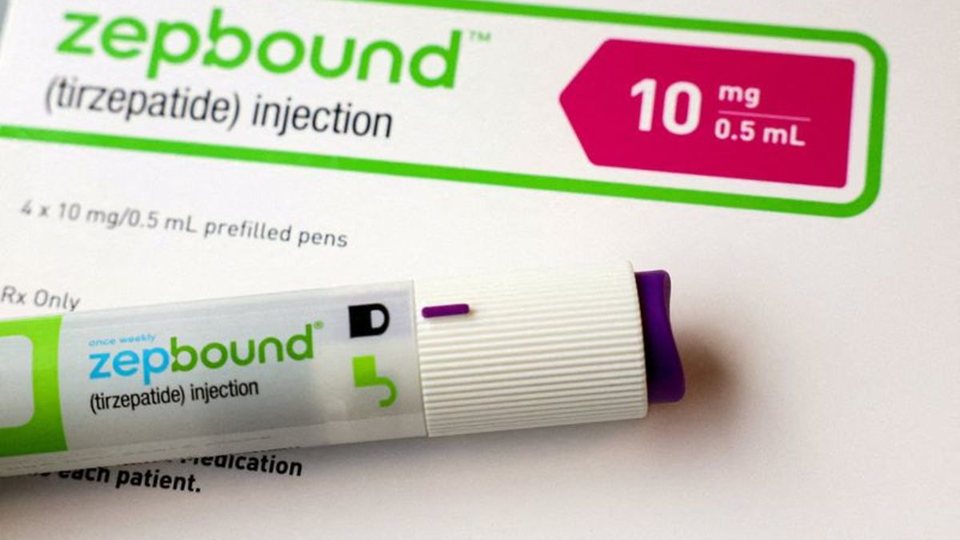
Eli Lilly struck a deal that lets Hims & Hers sell its obesity drugs Zepbound and Foundayo directly on the Hims platform. Until now Hims customers had to leave the site for LillyDirect. Self-pay prices match LillyDirect’s: from $149 a month for the Foundayo pill and $299 a month for injectable Zepbound.
Novo Nordisk has sold Wegovy and Ozempic through Hims & Hers since March, with the Wegovy pill from $149 a month and the injector pen from $199. As part of the deal, Hims & Hers agreed not to sell compounded versions of Lilly’s obesity drugs. Lilly says 40% to 45% of Zepbound sales already come through self-pay channels.
Prices for the peptides in this story

Gym bros love BPC-157, the peptide in the ‘Wolverine shot.’ Now it could go mainstream.
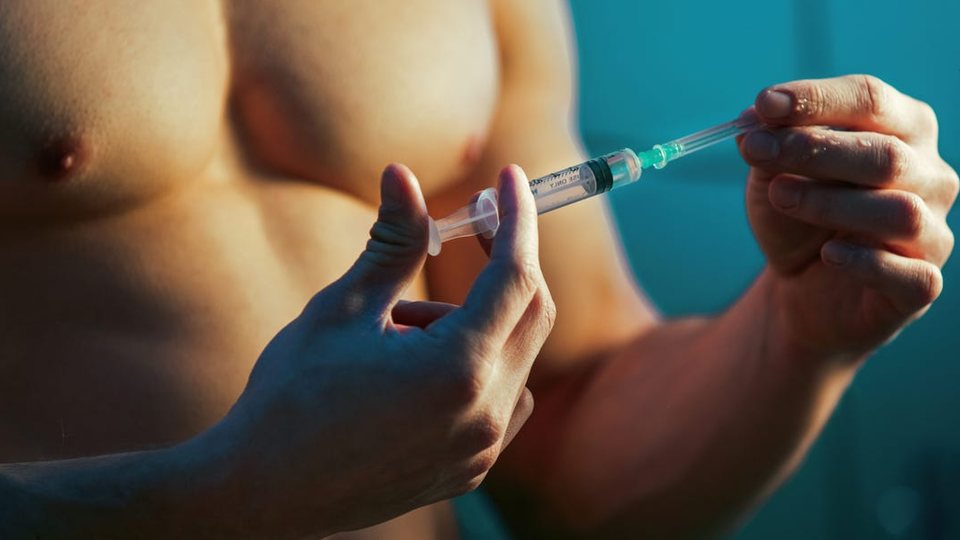
BPC-157, one half of the “Wolverine shot” with TB-500, has become the most talked-about peptide in fitness and biohacking circles. Business Insider follows people who used it for knee and shoulder injuries, and a sports medicine doctor who has used it with patients since around 2020. HHS’s new policy gives users a path away from unregulated sellers and toward a prescription filled by a pharmacy.
The story is clear that human evidence is still thin: most research so far is in animals. A first randomized, placebo-controlled trial is planned for summer 2027 at the University of Arkansas for Medical Sciences, following 20 patients after shoulder surgery to see whether BPC-157 speeds healing. The researchers say the bigger worry today is sourcing, because gray-market vials can be contaminated, wrongly dosed or fake.
Full summary, research and pricesOriginal story at Business Insider
Prices for the peptides in this story

HHS will let pharmacies make popular peptides not approved by the FDA
HHS said it will use enforcement discretion for six peptides, which in practice lets small compounding pharmacies make them for patients even though they haven’t been through FDA’s drug review. Until now the peptides were under a federal ban, though they stayed available online.
This one is a two-and-a-half-minute radio story from Morning Edition. The six peptides are BPC-157, KPV, TB-500, MOTS-c, Semax and Epitalon.

Lilly’s retatrutide outshines Ozempic on weight loss, blood sugar control in trial
Eli Lilly said its experimental weekly drug retatrutide beat Novo Nordisk’s Ozempic in a head-to-head diabetes trial. People on the higher retatrutide dose lost 20.9% of their weight over 80 weeks, against 9.4% on the highest approved Ozempic dose (2 mg). Both retatrutide doses, 9 mg and 12 mg, lowered A1C by an average of 2.2%, compared with 1.8% on Ozempic.
Retatrutide, nicknamed “triple-G”, activates the GLP-1, GIP and glucagon receptors. The most common side effects were nausea, vomiting and diarrhea, and 7.9% of people on the highest dose stopped treatment, against 2.7% on Ozempic. Lilly plans to seek US approval next year and is also testing retatrutide against tirzepatide in adults with obesity.
Prices for the peptides in this story
Summaries are written by PeptideCompare from each outlet's story. Headlines, pictures and logos belong to AJMC, Business Insider, CNBC, CNN, Healio, NPR, Reuters, Scientific American and STAT. Each story has a longer summary on its own page and a link to the original. Spotted a mistake? Tell us. For what US pharmacies may compound, see US compounding status.