HHS draft policy would let pharmacies compound six peptides
HHS says it won’t act against licensed pharmacies that compound BPC-157, TB-500, KPV, MOTS-c, Semax and Epitalon on prescription. What CNN reported.
 Our summary of a story from CNN, published . Summarized .Read the original at CNN
Key points
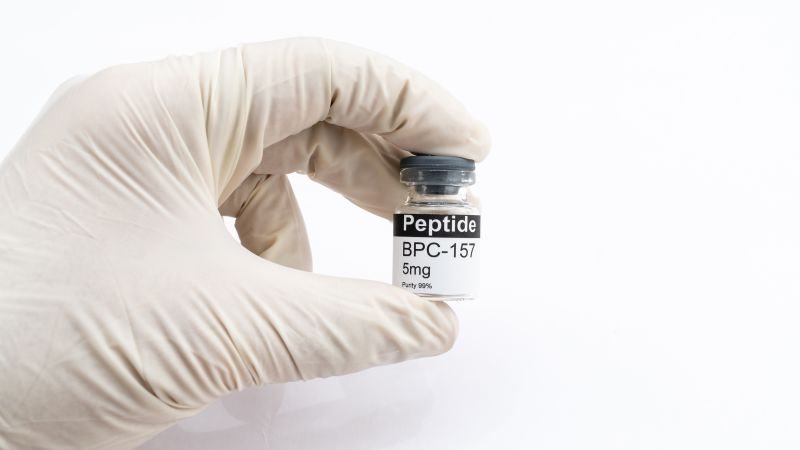
- Six injectable peptides are covered: BPC-157, KPV, TB-500, MOTS-c, Semax and Epitalon.
- A prescription and a licensed compounding pharmacy are required, and none of the six is FDA-approved.
- The draft opened a 14-day comment period. A separate final rule will decide whether each peptide joins the compounding list.
- People quoted by CNN expect pharmacy prices to be higher than research-market prices.
What the draft policy does
The US Department of Health and Human Services posted a draft interim policy covering six injectable peptides: BPC-157, KPV, TB-500, MOTS-c, Semax and Epitalon. None is FDA-approved, and none is on the official list of substances that compounding pharmacies may use. Under the draft, HHS says it does not intend to take enforcement action against a state-licensed pharmacy, a federal facility or a licensed physician that compounds a drug with one of the six.
The policy comes with conditions. An HHS spokesperson told CNN it requires a prescription written for a specific patient, traceable ingredients, quality testing and safety reporting. It does not grant FDA approval, and it does not establish that the peptides are safe or that they work. Until now, CNN notes, people have ordered products such as BPC-157 and TB-500 from unregulated websites without seeing a doctor.
The peptides in this story
What each one is, and where we cover it: prices, graded research, registered trials and discussion.
BPC-157
Synthetic gastric peptideA 15-amino-acid peptide derived from a protein in stomach juice. Many animal studies report faster healing of tendons, ligaments, muscle and the gut lining; there are almost no published human trials.
KPV
Anti-inflammatory tripeptideThe last three amino acids of alpha-MSH (lysine-proline-valine). Calms inflammatory signaling in cell and animal studies, notably in models of colitis and skin inflammation.
TB-500
Thymosin beta-4 fragmentA synthetic version of the active region of thymosin beta-4, a protein that helps cells move and build new blood vessels. Studied in animals for wound, muscle and tendon repair.
MOTS-c
Mitochondria-encoded peptideA 16-amino-acid peptide made from mitochondrial DNA that acts like an exercise signal, improving insulin sensitivity and metabolism in mice. Human data are early.
Semax
ACTH(4-10) analogA seven-amino-acid peptide based on a fragment of ACTH, given as nasal drops. Raises BDNF and is studied for stroke recovery, attention and memory.
Epithalon
Pineal tetrapeptide (epitalon)A four-amino-acid peptide based on a pineal-gland extract, reported in Russian studies to lengthen telomeres in cells and to normalize melatonin rhythms.
Why HHS says it is acting
The draft argues that limited, supervised compounding will discourage the widespread use of research-use-only peptides supplied by foreign manufacturers, and give patients a more controlled alternative. It follows a July meeting of FDA’s Pharmacy Compounding Advisory Committee, which narrowly supported letting compounders make the six.
After the 14-day comment period, HHS is expected to issue a final policy. A separate final rule will decide whether each peptide is added to the list of ingredients compounding pharmacies may use.
Semax and BPC-157 research behind the story
Papers from our library, each read and summarized, with the evidence grade we give the peptide.
Human observationalPreprints.org 2026Semax
Increasing Direct-to-Consumer Use of Semax and Selank Peptides Decoded from LLM-Curated Clinical Notes and Physician Adjudication
Preprint (not peer-reviewed): LLM-curated clinical notes of patients mentioning Semax or Selank (not approved for human use) showed rising documentation since 2024; in 49 patients with confirmed use of either peptide, 33% reported a positive response and 27%…
Systematic reviewHSS J 2025BPC-157
Emerging Use of BPC-157 in Orthopaedic Sports Medicine: A Systematic Review
Systematic review of 36 studies (35 preclinical, 1 clinical) for musculoskeletal injury: animal models showed improved tendon, ligament, muscle and bone healing, but evidence is level IV/V and no clinical safety data were found.
Human RCTCardiovasc Res 2025TB-500
Recombinant human thymosin beta 4 improves ischemic cardiac dysfunction in mice and patients with acute ST-segment elevation myocardial infarction after reperfusion
Recombinant human thymosin beta-4 prevented cardiac dysfunction in mice after ischemia-reperfusion, but in a 96-patient STEMI trial the overall infarct-area difference vs placebo was not significant, though infarct area was smaller in the 43 patients dosed…
The arguments for and against
Committee members who voted yes argued that a regulated pharmacy is a safer route than the gray market that already operates in the open. Members who voted no said there is little evidence the change would shrink that market, and that the benefits and risks of some of these peptides are still unknown. One said the committee was responding to demand created by the market and not to solid science.
Outside the committee, the Partnership for Safe Medicines criticized the draft. The coalition said FDA’s own scientists had recommended against the six, raised conflict-of-interest concerns about committee members, and filed a citizen petition asking FDA to block peptide compounding. The American Peptide Association and the Alliance for Pharmacy Compounding, the compounding industry’s trade association, welcomed the move.
BPC-157 from our partner vendors
The lowest-priced vendors we have an affiliate link with, cheapest per mg first.
Crush Research
Metascore 77, 20 lab tests
BPC-157 20mg — 10-Pack, 10 × 20 mg = 200 mg
USD 249.00USD 1.25/mg
Visit shop
Peptixa Labs
Metascore 76
BPC-157 Research Peptide 20mg, Pack: 10 Pack, 10 × 20 mg = 200 mg
USD 249.30USD 1.25/mg
Visit shopThese are affiliate links: we may earn a commission at no extra cost to you. Other vendors may be cheaper: Compare all 108 BPC-157 vendors.
What it could mean for people who already buy peptides
Jay Campbell, a co-founder of BioLongevity Labs, told CNN the draft is potentially good news for people who want a prescription: a physician could prescribe compounds like BPC-157, TB-500 and Semax and a licensed pharmacy could fill it. He expects compounded versions to cost more than research-market vials, because pharmacies must buy from FDA-registered manufacturers and pay for full quality testing.
Jeff Cohen of the American Peptide Association said the route for people who do not want to go through a clinician is still unclear. Their products come from manufacturers that are not pharmacies, where safety and quality can be unregulated and uneven.
Go deeper on PeptideCompare
Comparisons and guides that follow on from this story.
Questions people ask
Which six peptides does the HHS draft policy cover?
BPC-157, KPV, TB-500, MOTS-c, Semax and Epitalon. All six are injectable, none is FDA-approved, and none is on the official list of substances that compounding pharmacies may use.
Does the HHS policy make BPC-157 FDA-approved?
No. HHS says it does not intend to take enforcement action against licensed pharmacies, federal facilities or physicians that compound the six. The policy does not grant FDA approval, and it does not establish that the peptides are safe or that they work.
Do you need a prescription for compounded peptides under the policy?
Yes. An HHS spokesperson told CNN the policy requires a prescription written for a specific patient, along with traceable ingredients, quality testing and safety reporting.
Will compounded peptides cost more than research vials?
People quoted by CNN expect so. Jay Campbell of BioLongevity Labs said pharmacies must buy from FDA-registered manufacturers and pay for full quality testing.
More peptide news
 NPR, Oct 29, 2026HHS will let pharmacies make six peptides the FDA hasn’t approved
 Healio, Nov 18, 2026Andrews foundation plans controlled peptide studies in athletes
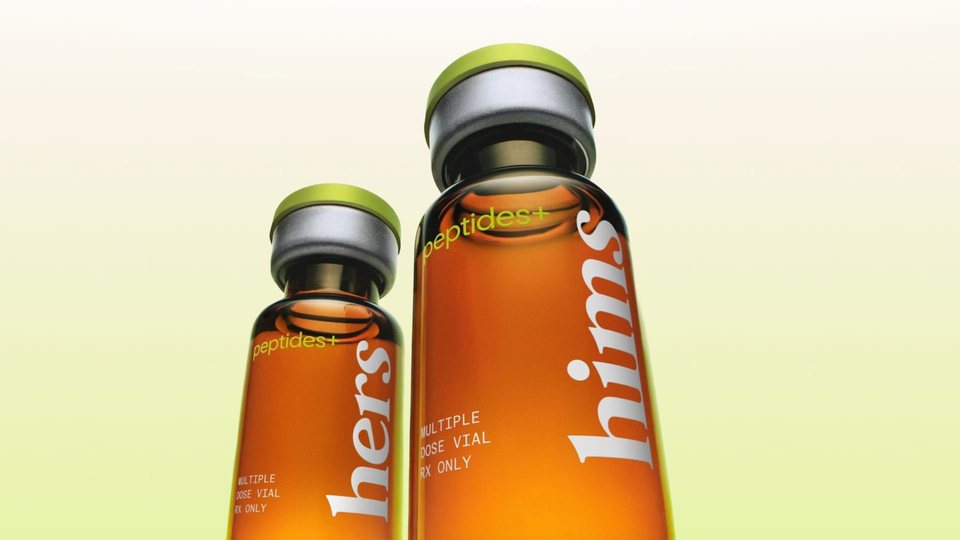 CNBC, Nov 18, 2026Hims & Hers starts selling compounded peptides: what is in Peptides+
 Business Insider, Oct 31, 2026BPC-157’s first controlled human trial is planned for 2027
This page is PeptideCompare’s own summary of the CNN story “Peptides could soon be easier to get in the United States. Here’s what to know”. The headline quoted here, the picture and the logo belong to CNN. Prices, vendor scores and research grades come from our own data and change over time. Nothing here is medical advice. Spotted a mistake? Tell us.