BPC-157’s first controlled human trial is planned for 2027
Business Insider on BPC-157 and the Wolverine shot: what animal studies show, the 20-patient trial planned for 2027 and why sourcing is the main risk.
 Our summary of a story from Business Insider, published . Summarized .Read the original at Business Insider
Key points
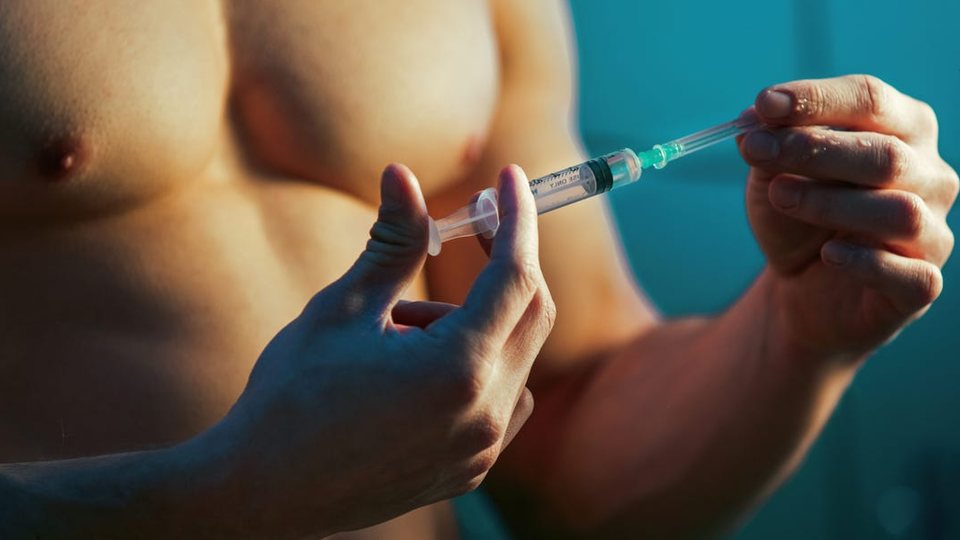
- BPC-157 is sold with TB-500 as the “Wolverine shot” for tendon and ligament injuries.
- Rigorous human evidence is scant. Most of what is known comes from animal studies.
- A randomized, double-blind, placebo-controlled trial will follow 20 patients after shoulder surgery, starting in summer 2027.
- The biggest safety concern today is sourcing: gray-market vials can be contaminated, wrongly dosed or counterfeit.
Why BPC-157 is everywhere
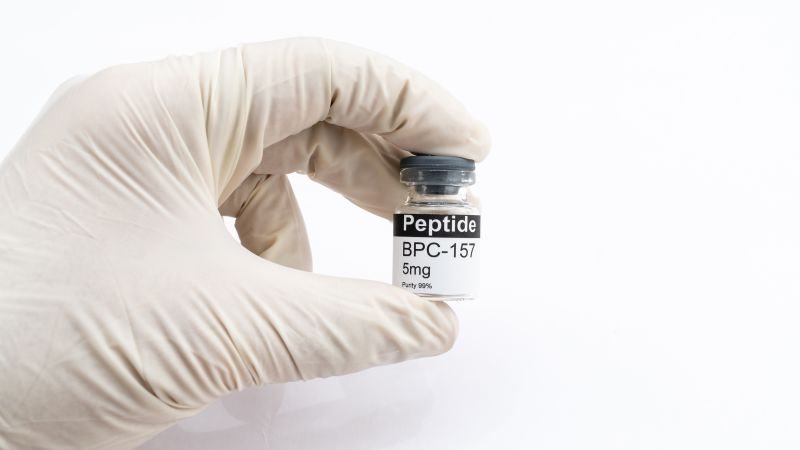
Business Insider describes how BPC-157 became the most talked-about peptide in fitness and biohacking circles. It is one half of the so-called Wolverine shot, a stack with TB-500 that is promoted as a shortcut to healing tendons and ligaments. Days before the story ran, HHS said it would not pursue pharmacies that compound BPC-157 for patients, provided they meet certain conditions.
The story follows two users. A 37-year-old accountant from Houston bought a $65 vial, injected two doses into his knee within a week and says the pain was gone within days. A Denver man injected it twice a day for three weeks for a shoulder injury, at a cost of around $100. Business Insider is clear that these are anecdotes and that the central question, whether it works and is safe, is still open.
BPC-157 and TB-500 at a glance
What each one is, and where we cover it: prices, graded research, registered trials and discussion.
BPC-157
Synthetic gastric peptideA 15-amino-acid peptide derived from a protein in stomach juice. Many animal studies report faster healing of tendons, ligaments, muscle and the gut lining; there are almost no published human trials.
TB-500
Thymosin beta-4 fragmentA synthetic version of the active region of thymosin beta-4, a protein that helps cells move and build new blood vessels. Studied in animals for wound, muscle and tendon repair.
What is known about it
BPC is short for body protection compound. It was first isolated from human gastric juice in the 1990s by the Croatian scientist Predrag Sikiric. Animal studies suggest it may speed up tissue repair and that it can be tolerated at high doses. It can be taken by mouth or injected.
A sports medicine physician who prescribes it told Business Insider that it supports the body’s own healing, for example by reducing inflammation and creating new blood vessels. So far the peptide seems to have few adverse effects beyond the risks of any injection. Doctors have raised a theoretical concern that promoting blood-vessel growth could also feed tumors, though no research has found a link between BPC-157 and cancer in practice.
BPC-157 and TB-500 research behind the story
Papers from our library, each read and summarized, with the evidence grade we give the peptide.
Systematic reviewHSS J 2025BPC-157
Emerging Use of BPC-157 in Orthopaedic Sports Medicine: A Systematic Review
Systematic review of 36 studies (35 preclinical, 1 clinical) for musculoskeletal injury: animal models showed improved tendon, ligament, muscle and bone healing, but evidence is level IV/V and no clinical safety data were found.
ReviewAm J Sports Med 2026TB-500
Peptide Supplements and Their Therapeutic Applications in Sports Medicine
Review of six popular sports-medicine peptides including TB-500 found claimed musculoskeletal recovery benefits unsubstantiated by human trials and advised against use outside standard care.
Human RCTInt J Mol Sci 2022TB-500
0.1% RGN-259 (Thymosin ß4) Ophthalmic Solution Promotes Healing and Improves Comfort in Neurotrophic Keratopathy Patients in a Randomized, Placebo-Controlled, Double-Masked Phase III Clinical Trial
Phase III trial in 18 patients with neurotrophic keratopathy: thymosin beta-4 eye drops healed the corneal defect in 6 of 10 vs 1 of 8 on placebo at 4 weeks (p=0.066, not significant on the main endpoint), with significant differences at some later time…
The trial planned for 2027
A first-of-its-kind clinical trial, scheduled for summer 2027, will follow 20 patients after shoulder surgery to test whether BPC-157 speeds healing and whether it has side effects. It is randomized, double-blind and placebo-controlled, and it is led by Dr. Shiloah Kviatkovsky at the University of Arkansas for Medical Sciences.
The researchers will compare blood tests and MRI scans with measures of pain and function. Kviatkovsky told Business Insider that the market is ahead of the research, and that buyers often cannot know whether what they bought is the compound they think it is.
BPC-157 from our partner vendors
The lowest-priced vendors we have an affiliate link with, cheapest per mg first.
Crush Research
Metascore 77, 20 lab tests
BPC-157 20mg — 10-Pack, 10 × 20 mg = 200 mg
USD 249.00USD 1.25/mg
Visit shop
Peptixa Labs
Metascore 76
BPC-157 Research Peptide 20mg, Pack: 10 Pack, 10 × 20 mg = 200 mg
USD 249.30USD 1.25/mg
Visit shopThese are affiliate links: we may earn a commission at no extra cost to you. Other vendors may be cheaper: Compare all 108 BPC-157 vendors.
Sourcing is the bigger risk today
Because BPC-157 is not FDA-approved, most users get it from online gray markets, where products can be contaminated, inconsistently dosed or entirely counterfeit. Business Insider reports that some vendors fake quality certifications, and that it is hard to verify what is in a vial without a lab test.
One user’s wife developed chills, fever, nausea and diarrhea after taking BPC-157. He believes the vial was contaminated with endotoxins, and she recovered after stopping. A doctor quoted in the story advises against gray-market vendors and points to the label “not for human use” as the warning sign. The HHS policy offers a prescription route, and it does not make BPC-157 FDA-approved.
Go deeper on PeptideCompare
Comparisons and guides that follow on from this story.
Questions people ask
Has BPC-157 been tested in humans?
Rigorous human evidence is scant, and most of what is known comes from animal studies. A randomized, double-blind, placebo-controlled trial is scheduled for summer 2027.
What is the BPC-157 trial planned for 2027?
It will follow 20 patients after shoulder surgery to test whether BPC-157 speeds healing and whether it has side effects. It is led by Dr. Shiloah Kviatkovsky at the University of Arkansas for Medical Sciences.
What is the Wolverine shot?
A stack of BPC-157 and TB-500 that is promoted as a shortcut to healing tendons and ligaments.
Is BPC-157 FDA-approved?
No. The HHS policy offers a prescription route through compounding pharmacies, and it does not make BPC-157 FDA-approved.
More peptide news
 Healio, Nov 18, 2026Andrews foundation plans controlled peptide studies in athletes
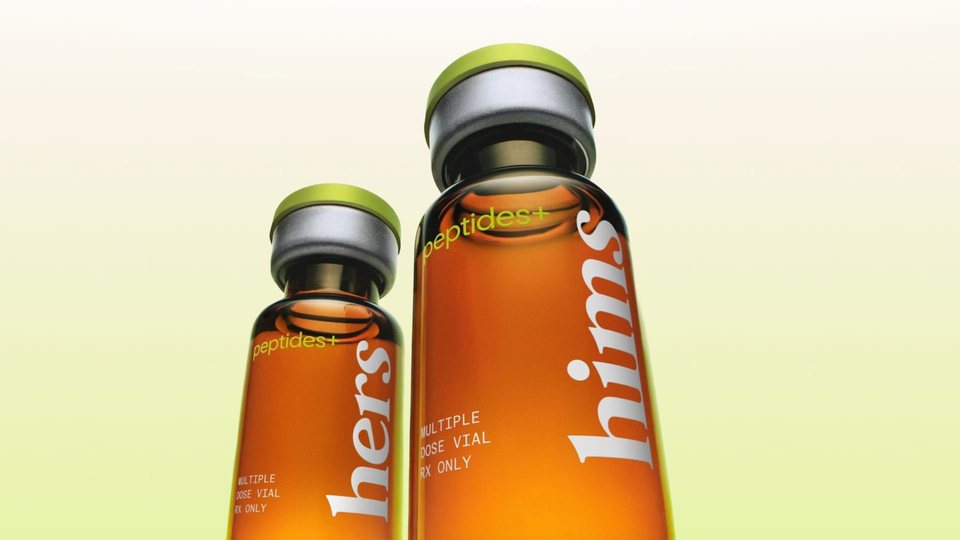 CNBC, Nov 18, 2026Hims & Hers starts selling compounded peptides: what is in Peptides+
 CNN, Oct 29, 2026HHS draft policy would let pharmacies compound six peptides
 NPR, Oct 29, 2026HHS will let pharmacies make six peptides the FDA hasn’t approved
This page is PeptideCompare’s own summary of the Business Insider story “Gym bros love BPC-157, the peptide in the ‘Wolverine shot.’ Now it could go mainstream.”. The headline quoted here, the picture and the logo belong to Business Insider. Prices, vendor scores and research grades come from our own data and change over time. Nothing here is medical advice. Spotted a mistake? Tell us.