HHS will let pharmacies make six peptides the FDA hasn’t approved
NPR’s Morning Edition on the HHS policy that lets compounding pharmacies make six unapproved peptides, with the audio and what the policy requires.
 Our summary of a story from NPR, published . Summarized .Listen at NPR
Key points
- HHS released a policy that would allow compounding pharmacies to make six peptides the FDA has not approved.
- The six are BPC-157, KPV, TB-500, MOTS-c, Semax and Epitalon.
- The story is a 2:31 audio segment from Morning Edition, and it plays on this page.
What NPR reported
NPR’s Morning Edition reported that the Department of Health and Human Services released a policy that would allow compounding pharmacies to make six peptides that haven’t been approved by the FDA. HHS calls it enforcement discretion: the department says it will not act against pharmacies that compound the peptides for patients, even though they haven’t been through FDA’s drug review.
The segment runs two and a half minutes. Press play on the tile above to hear it here, or follow the link to NPR’s page. The six peptides are BPC-157, KPV, TB-500, MOTS-c, Semax and Epitalon.
The peptides in this story
What each one is, and where we cover it: prices, graded research, registered trials and discussion.
BPC-157
Synthetic gastric peptideA 15-amino-acid peptide derived from a protein in stomach juice. Many animal studies report faster healing of tendons, ligaments, muscle and the gut lining; there are almost no published human trials.
KPV
Anti-inflammatory tripeptideThe last three amino acids of alpha-MSH (lysine-proline-valine). Calms inflammatory signaling in cell and animal studies, notably in models of colitis and skin inflammation.
TB-500
Thymosin beta-4 fragmentA synthetic version of the active region of thymosin beta-4, a protein that helps cells move and build new blood vessels. Studied in animals for wound, muscle and tendon repair.
MOTS-c
Mitochondria-encoded peptideA 16-amino-acid peptide made from mitochondrial DNA that acts like an exercise signal, improving insulin sensitivity and metabolism in mice. Human data are early.
Semax
ACTH(4-10) analogA seven-amino-acid peptide based on a fragment of ACTH, given as nasal drops. Raises BDNF and is studied for stroke recovery, attention and memory.
Epithalon
Pineal tetrapeptide (epitalon)A four-amino-acid peptide based on a pineal-gland extract, reported in Russian studies to lengthen telomeres in cells and to normalize melatonin rhythms.
What the policy asks of pharmacies
The policy is not an approval. HHS has said it applies only to prescriptions written for a specific patient, and that it requires traceable ingredients, quality testing and safety reporting. It covers state-licensed pharmacies, federal facilities and licensed physicians.
TB-500 and Semax research behind the story
Papers from our library, each read and summarized, with the evidence grade we give the peptide.
Human RCTCardiovasc Res 2025TB-500
Recombinant human thymosin beta 4 improves ischemic cardiac dysfunction in mice and patients with acute ST-segment elevation myocardial infarction after reperfusion
Recombinant human thymosin beta-4 prevented cardiac dysfunction in mice after ischemia-reperfusion, but in a 96-patient STEMI trial the overall infarct-area difference vs placebo was not significant, though infarct area was smaller in the 43 patients dosed…
Human observationalPreprints.org 2026Semax
Increasing Direct-to-Consumer Use of Semax and Selank Peptides Decoded from LLM-Curated Clinical Notes and Physician Adjudication
Preprint (not peer-reviewed): LLM-curated clinical notes of patients mentioning Semax or Selank (not approved for human use) showed rising documentation since 2024; in 49 patients with confirmed use of either peptide, 33% reported a positive response and 27%…
Systematic reviewHSS J 2025BPC-157
Emerging Use of BPC-157 in Orthopaedic Sports Medicine: A Systematic Review
Systematic review of 36 studies (35 preclinical, 1 clinical) for musculoskeletal injury: animal models showed improved tendon, ligament, muscle and bone healing, but evidence is level IV/V and no clinical safety data were found.
What it does not cover
The policy covers compounded prescriptions only. Research-use vials sold online are outside it, and nothing in it makes any of the six an approved medicine.
BPC-157 from our partner vendors
The lowest-priced vendors we have an affiliate link with, cheapest per mg first.
Crush Research
Metascore 77, 20 lab tests
BPC-157 20mg — 10-Pack, 10 × 20 mg = 200 mg
USD 249.00USD 1.25/mg
Visit shop
Peptixa Labs
Metascore 76
BPC-157 Research Peptide 20mg, Pack: 10 Pack, 10 × 20 mg = 200 mg
USD 249.30USD 1.25/mg
Visit shopThese are affiliate links: we may earn a commission at no extra cost to you. Other vendors may be cheaper: Compare all 108 BPC-157 vendors.
Go deeper on PeptideCompare
Comparisons and guides that follow on from this story.
Questions people ask
Which peptides can pharmacies compound under the HHS policy?
Six: BPC-157, KPV, TB-500, MOTS-c, Semax and Epitalon.
Is the HHS peptide policy an FDA approval?
No. HHS calls it enforcement discretion: the department says it will not act against pharmacies that compound the peptides for patients, even though they haven’t been through FDA’s drug review.
Does the policy cover research-use peptides sold online?
No. It covers compounded prescriptions only. Research-use vials sold online are outside it.
More peptide news
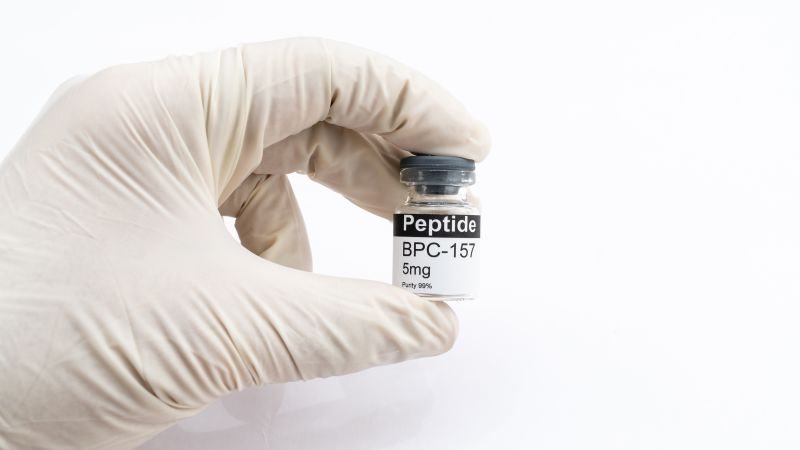 CNN, Oct 29, 2026HHS draft policy would let pharmacies compound six peptides
 Healio, Nov 18, 2026Andrews foundation plans controlled peptide studies in athletes
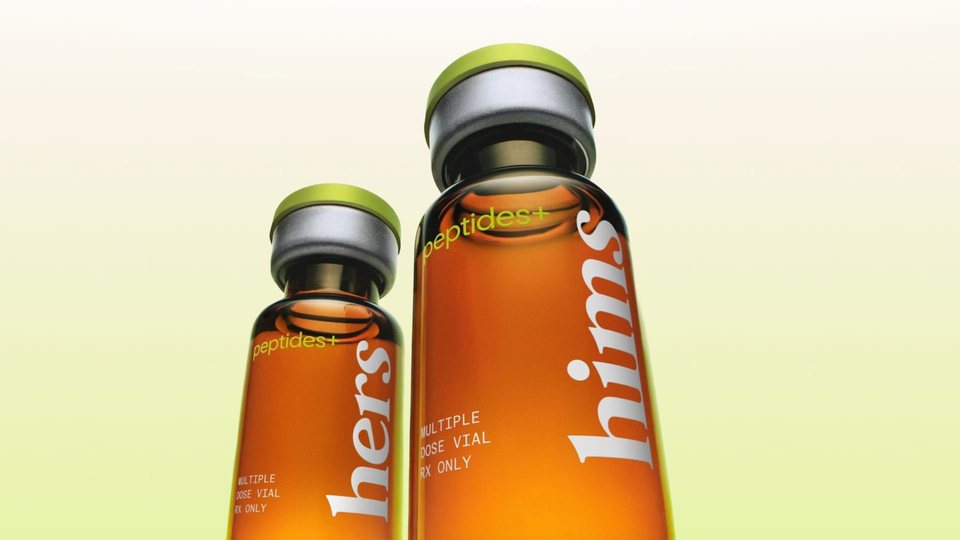 CNBC, Nov 18, 2026Hims & Hers starts selling compounded peptides: what is in Peptides+
 Business Insider, Oct 31, 2026BPC-157’s first controlled human trial is planned for 2027
This page is PeptideCompare’s own summary of the NPR story “HHS will let pharmacies make popular peptides not approved by the FDA”. The headline quoted here and the logo belong to NPR. Prices, vendor scores and research grades come from our own data and change over time. Nothing here is medical advice. Spotted a mistake? Tell us.