Survodutide passes its heart-safety trial in 5,530 adults
Survodutide did not raise the risk of major heart events in the 5,530-person SYNCHRONIZE-CVOT trial, and weight fell by up to 13.7%. What AJMC reported.
 Our summary of a story from The American Journal of Managed Care, published . Summarized .Read the original at AJMC

Key points
- SYNCHRONIZE-CVOT enrolled 5,530 adults with overweight or obesity and raised cardiovascular risk.
- Major cardiovascular events were no more common than on placebo (hazard ratio 0.89; 95% CI 0.67 to 1.18).
- Body weight fell by up to 13.7%, against 2.0% on placebo, and systolic blood pressure by up to 6.68 mm Hg at 72 weeks.
- About one in five people on survodutide stopped because of gastrointestinal side effects (19.3% and 20.8%, against 1.9% on placebo).
What the trial tested
Survodutide is an investigational once-weekly drug from Boehringer Ingelheim that activates both the glucagon and GLP-1 receptors. SYNCHRONIZE-CVOT was a phase 3, double-blind, event-driven trial in 5,530 adults with overweight or obesity who also had established cardiovascular disease, chronic kidney disease, or at least two weight-related complications or risk factors. Participants received survodutide 3.6 mg, survodutide 6.0 mg or placebo.
The results were presented at the American Heart Association Scientific Sessions 2026 and published in The Lancet. Boehringer calls it the first global cardiovascular safety trial of a glucagon/GLP-1 dual agonist.
Survodutide at a glance
What each one is, and where we cover it: prices, graded research, registered trials and discussion.
Survodutide
Dual GLP-1 / glucagon receptor agonistStudied for weight loss and for fatty liver disease (MASH), where glucagon activity may help reduce liver fat.
The heart results
The primary end point was the time to a first major adverse cardiovascular event, counted five ways: cardiovascular death, nonfatal heart attack, nonfatal stroke, coronary revascularization for ischemia, or a heart failure event. Survodutide was noninferior to placebo, with a hazard ratio of 0.89 (95% CI 0.67 to 1.18). The narrower three-point measure gave a similar result: 0.84 (95% CI 0.60 to 1.18).
Noninferior means the drug was shown not to be worse than placebo for the heart. It is a safety result, and the trial was not reported as proving that survodutide prevents heart events.
Survodutide research behind the story
Papers from our library, each read and summarized, with the evidence grade we give the peptide.
Human RCTN Engl J Med 2026Survodutide
Survodutide Once Weekly for the Treatment of Adults with Obesity
In 725 adults with obesity without diabetes (SYNCHRONIZE-1), survodutide reduced weight by 12.2-13.0% at 76 weeks vs 5.4% with placebo; GI symptoms in 80.9-89.7% vs 47.9%.
Human RCTN Engl J Med 2026Survodutide
Survodutide Once Weekly in Adults with Obesity and Type 2 Diabetes
In 752 adults with obesity and type 2 diabetes (SYNCHRONIZE-2, phase 3), 76 weeks of survodutide cut weight by 8.2% (3.6 mg) and 9.8% (6.0 mg) vs 3.9% with placebo; 57.6% and 64.5% lost at least 5% vs 35.1%.
Human RCTNat Med 2026Survodutide
Survodutide in adults with obesity and metabolic dysfunction-associated steatotic liver disease: SYNCHRONIZE-MASLD, a randomized, double-blind, placebo-controlled phase 3 trial
In 216 adults with obesity and at-risk MASLD/MASH (SYNCHRONIZE-MASLD, phase 3), 84.2% on survodutide vs 24.3% on placebo had at least 30% liver-fat reduction at 48 weeks, with weight -12.2% vs -1.0%; GI events were the most common adverse events.
Weight, blood pressure and waist
At 72 weeks, systolic blood pressure had fallen by up to 6.68 mm Hg on survodutide, against 1.76 mm Hg on placebo. Waist circumference fell by up to 11.96 cm against 2.74 cm, and body weight by up to 13.7% against 2.0%, in a group that included people with type 2 diabetes. C-reactive protein and triglycerides also fell.
In the earlier SYNCHRONIZE-1 trial of 725 adults with obesity and no diabetes, weight changed by 12.2% on 3.6 mg and 13.0% on 6.0 mg at week 76, against 5.4% on placebo. AJMC notes that the two trials enrolled different populations and measured weight differently, so the figures can’t be compared directly.
Survodutide from our partner vendors
The lowest-priced vendors we have an affiliate link with, cheapest per mg first. These are research-use vials sold by peptide vendors, not the prescription or trial medicine in the story.
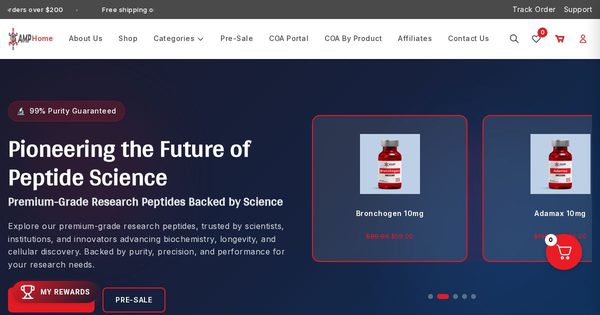
These are affiliate links: we may earn a commission at no extra cost to you. Other vendors may be cheaper: Compare all 16 Survodutide vendors.
Side effects and what comes next
Gastrointestinal events, mostly mild to moderate, were the most common side effects: nausea, vomiting, diarrhea and constipation. They led 19.3% of people on 3.6 mg and 20.8% on 6.0 mg to stop treatment, against 1.9% on placebo. Most stopped while the dose was being raised, and the original protocol left little room to slow that down. Newer survodutide trials build in more flexible dosing from the start.
Survodutide is not approved for any use. Boehringer says it is preparing regulatory submissions for obesity, and it is also testing the drug in the liver disease MASH.
Go deeper on PeptideCompare
Comparisons and guides that follow on from this story.
Questions people ask
Is survodutide safe for the heart?
In SYNCHRONIZE-CVOT, major cardiovascular events were no more common on survodutide than on placebo (hazard ratio 0.89; 95% CI 0.67 to 1.18). That is a safety result. The trial was not reported as proving that survodutide prevents heart events.
How much weight do people lose on survodutide?
Body weight fell by up to 13.7% at 72 weeks, against 2.0% on placebo, in a group that included people with type 2 diabetes.
Is survodutide approved?
No. Survodutide is not approved for any use. Boehringer Ingelheim says it is preparing regulatory submissions for obesity.
What are the side effects of survodutide?
Mostly mild to moderate gastrointestinal events: nausea, vomiting, diarrhea and constipation. They led 19.3% of people on 3.6 mg and 20.8% on 6.0 mg to stop treatment, against 1.9% on placebo.
More peptide news
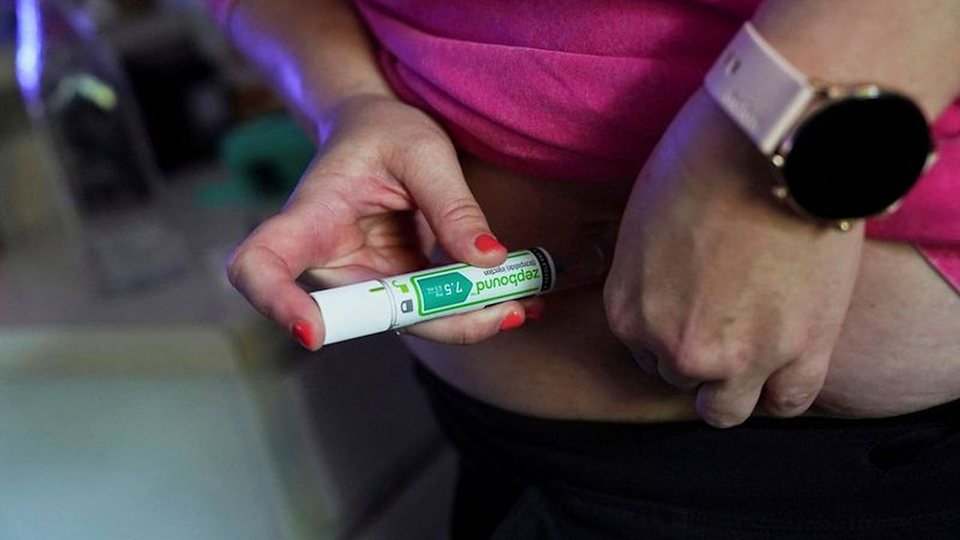 Reuters, Nov 20, 2026GLP-1 drugs linked to healthier hearts in people with heart failure
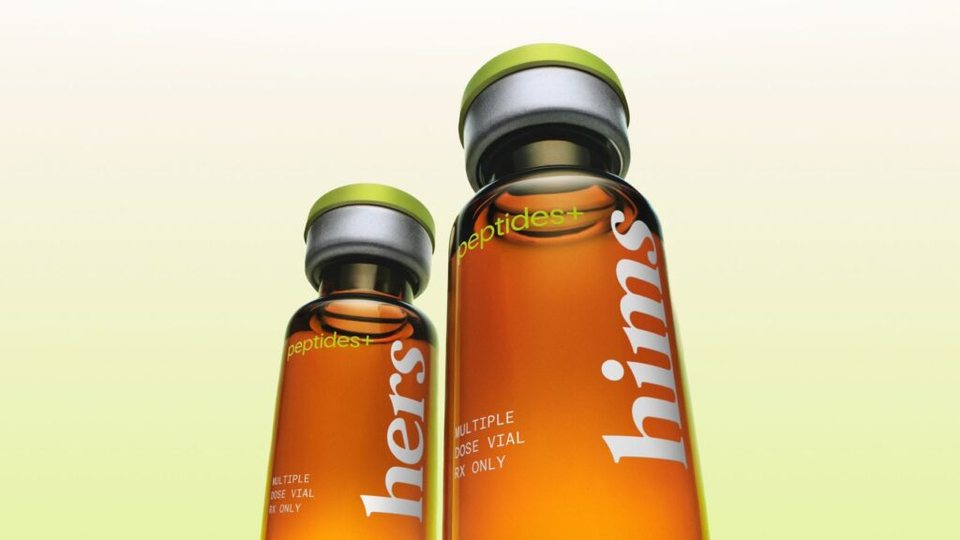 STAT, Nov 19, 2026Hims & Hers and Noom bring peptide prescriptions to the mainstream
 Healio, Nov 18, 2026Andrews foundation plans controlled peptide studies in athletes
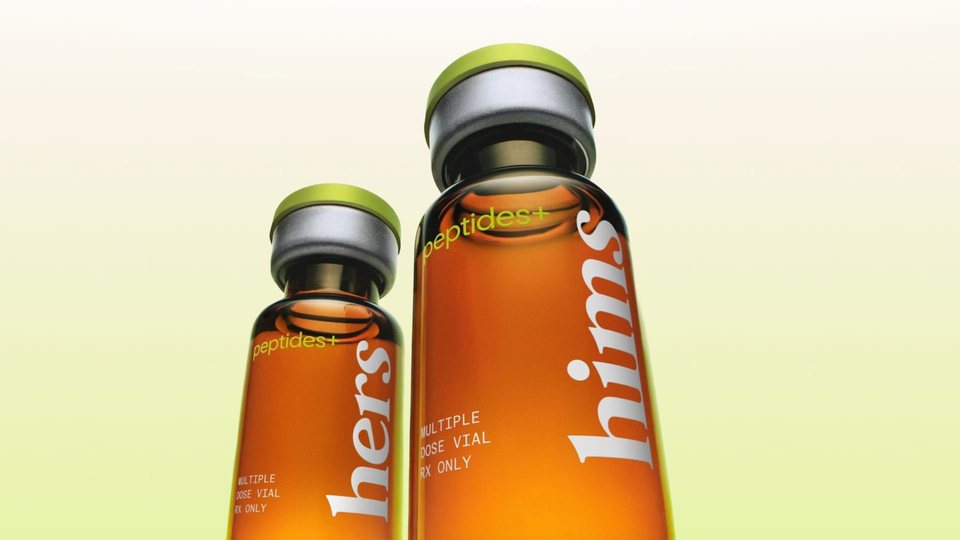 CNBC, Nov 18, 2026Hims & Hers starts selling compounded peptides: what is in Peptides+
This page is PeptideCompare’s own summary of the The American Journal of Managed Care story “Survodutide Meets CV Safety End Point in SYNCHRONIZE-CVOT”. The headline quoted here, the picture and the logo belong to AJMC. Prices, vendor scores and research grades come from our own data and change over time. Nothing here is medical advice. Spotted a mistake? Tell us.